⏱️ Custom Curtains: Core Specifications
- Difficulty: Beginner-Friendly
- Time Required: 2-3 hours per panel
- Core Tool: Sewing machine, iron and ironing board, fabric tape measure
- Key Benefit: Save hundreds of dollars compared to custom-ordered retail drapery.
Custom window treatments can instantly transform a room, adding height, warmth, and a tailored finish. However, retail custom curtains can cost hundreds of dollars per window. Fortunately, sewing your own curtains is one of the most straightforward and satisfying home decor projects you can tackle on a standard home sewing machine. Whether you want to block out light in the bedroom or add breezy elegance to your living room, this comprehensive guide will walk you through the entire process step-by-step, including measurements, fabric selections, cutting layout, and stitching procedures.
Measuring Your Windows Accurately
The secret to professional-looking curtains lies in the prep work. In the US, fabrics are typically sold by the yard, and window measurements are taken in inches. Taking shortcuts during the measurement phase is the most common reason DIY curtains look cheap or fail to hang properly. Follow these standard guidelines to get perfect results:
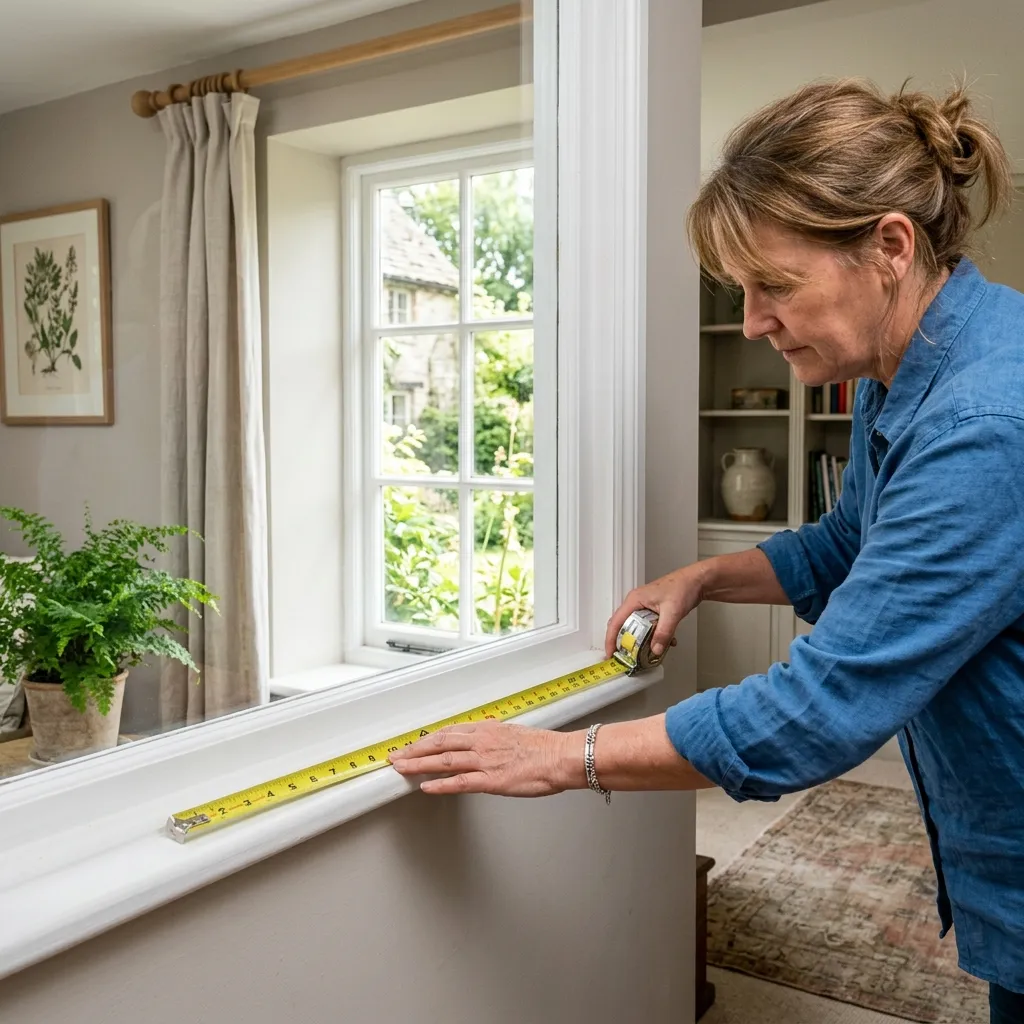
- Determine the Rod Placement: Mount your curtain rod 4 to 6 inches above the window frame, or closer to the ceiling to make the room feel taller. A higher rod creates the optical illusion of grander ceiling heights. Additionally, extend the rod 6 to 8 inches beyond the sides of the frame so that the curtains can be pulled completely away from the glass when open, letting in maximum light.
- Measure the Length (Drop): Measure from the top of the rod (or from the eyelet of the rings if using rings) to where you want the curtains to end. The most popular styles are "kissing" the floor (touching it exactly), "puddling" (adding 2-3 inches for a romantic, heavy look), or just below the windowsill for kitchens and baths.
- Calculate Fabric Width: For a full, luxurious look, your combined curtain panels should be 2 to 2.5 times the width of the window. If your window is 40 inches wide, you need 80 to 100 inches of fabric width. Divide this total by the number of panels you want (usually two) to determine the flat width of each individual panel.
Selecting the Right Fabrics for Home Decor
The fabric weight determines how the curtains will drape. Medium-weight fabrics like cotton duck, linen blends, and lightweight canvas are excellent for beginners because they are easy to feed through a sewing machine without slipping. Avoid silks or heavy polyesters until you have more experience. Natural fibers like linen and cotton add organic texture and look great with casual, transitional, or farmhouse interiors, while velvet brings rich elegance and formal structure.
Linen is particularly forgiving and offers a relaxed, breezy texture that fits farmhouse, coastal, and modern transitional designs. If you want to block light, consider adding a high-quality blackout lining fabric to the back of your main fabric panel. This not only blocks the sun but also protects your decorative face fabric from UV damage and fading.
Basic Stitching and Hemming Steps
To sew a classic rod-pocket curtain panel, follow these steps:
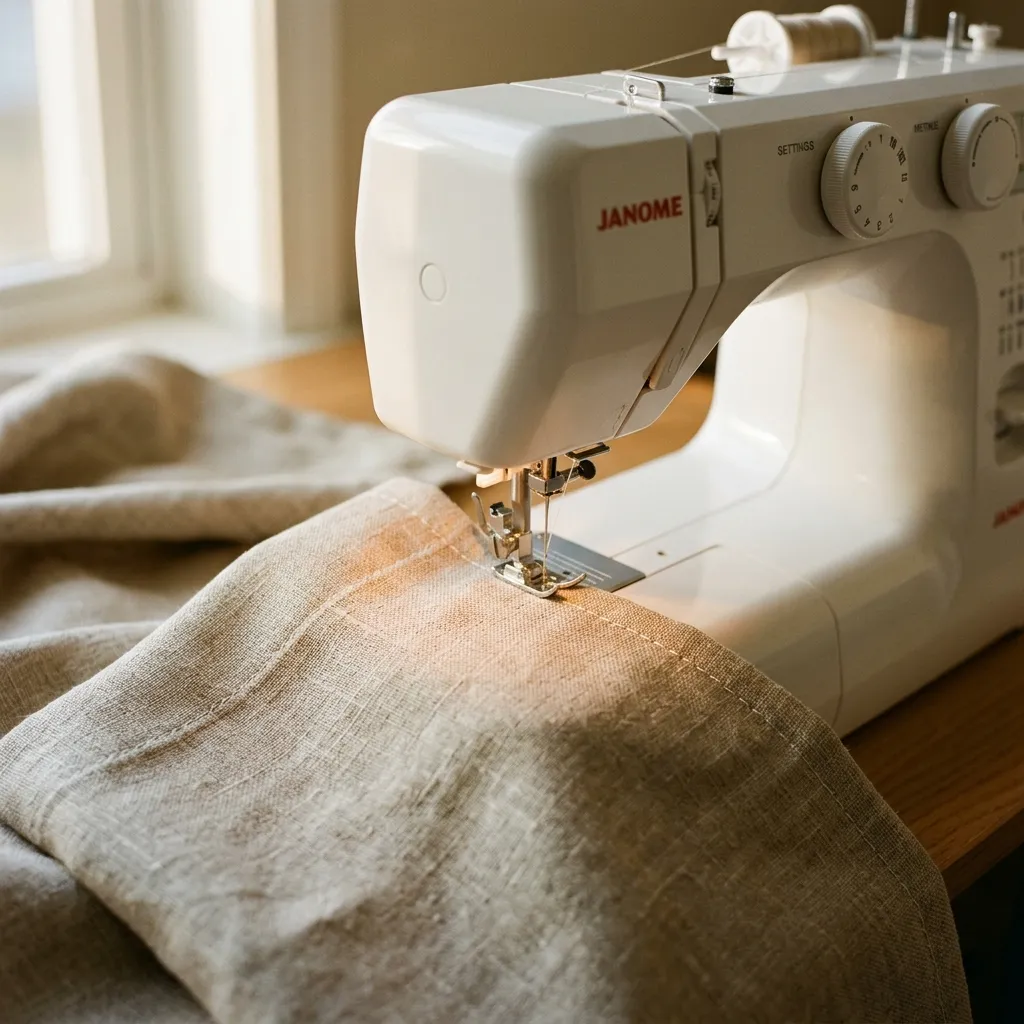
- Cut the Panels: Add 8 inches to your final length measurement (for a 3-inch double bottom hem and a 1-inch top header) and 4 inches to your width measurement (for 1-inch double side hems). Always ensure your cuts are perfectly square to the grain of the fabric.
- Sew the Side Hems: Fold the side edges in by 1 inch, fold again by 1 inch, press with an iron, and stitch close to the inside folded edge. Pressing with an iron before sewing is non-negotiable for straight seams. Use pins or wonder clips to hold the folds secure as you stitch.
- Sew the Bottom Hem: Double-fold the bottom edge by 3 inches (fold up 3 inches, press, fold up another 3 inches, press), and sew. This weight helps the curtains hang beautifully and prevents bowing. You can also insert small lead drapery weights inside the bottom corners to ensure they hang perfectly straight.
- Create the Rod Pocket: Fold the top edge down by 1/2 inch, then fold down again by 3 inches (or the size required for your rod). Press and stitch along the lower fold. If you want a ruffle at the top (a header), sew a second line of stitching 1 inch down from the top edge.
"Always wash and iron your fabric before cutting. Natural fibers like linen and cotton shrink during the first wash, which can ruin your carefully measured hems later."
Adding Custom Details: Linings and Trim
If you want to make your curtains look even more premium, you can add an attached lining. To do this, cut your lining fabric 2 inches narrower and 4 inches shorter than the face fabric. When you fold the side hems of the face fabric over the lining, it will automatically pull the lining inward, hiding the seams from the side profile. This prevents any white lining fabric from showing on the front edges of your curtains. Additionally, you can stitch decorative trim, pom-poms, or fringe along the inner vertical edges of the panels to customize the look.
Styling Tips for Modern US Homes
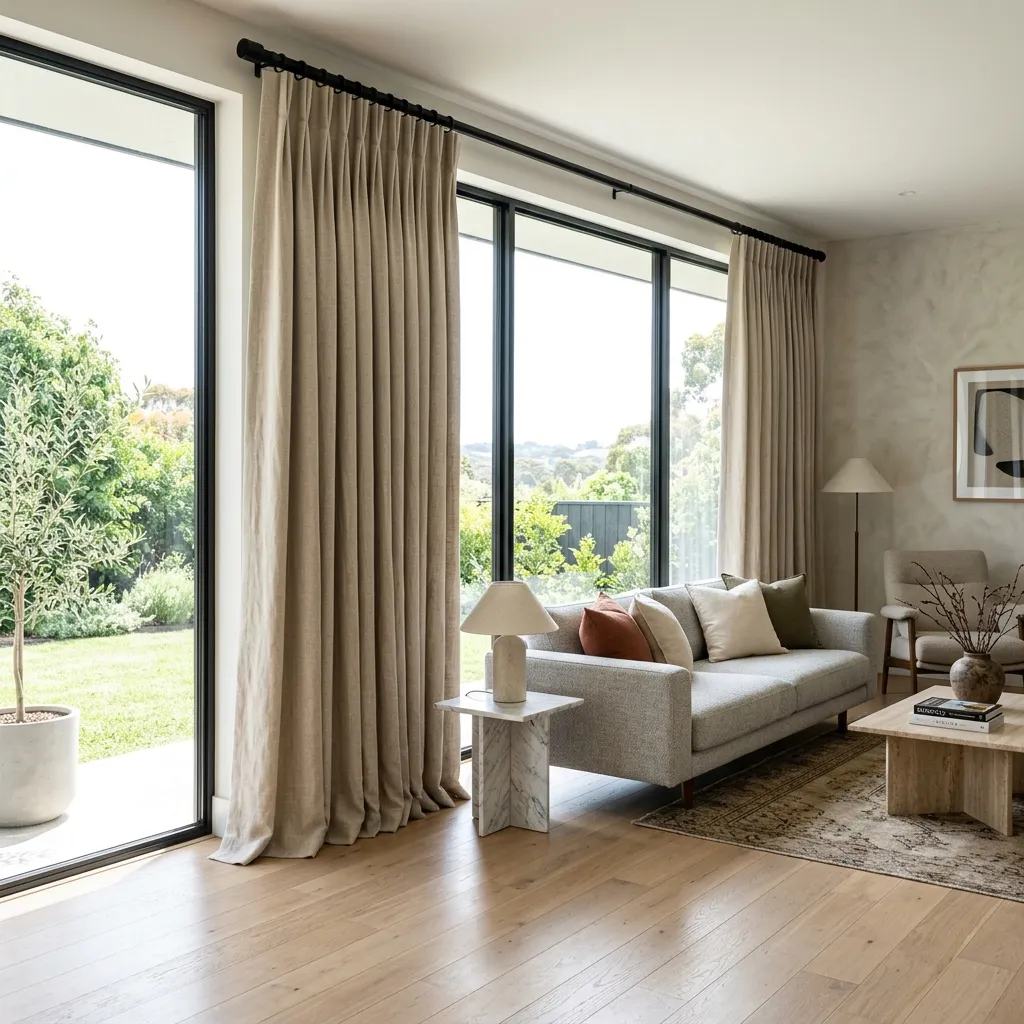
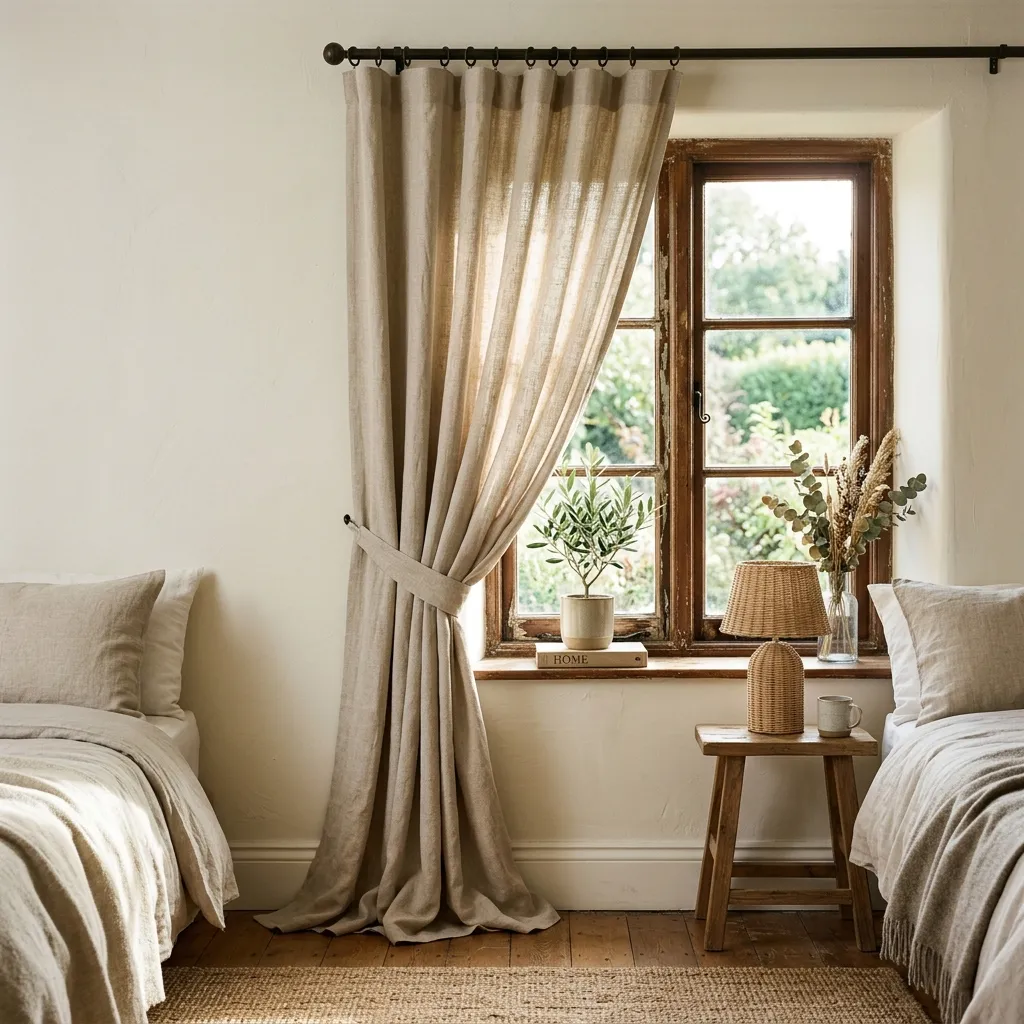
Modern interior design trends in the US favor neutral tones, organic textures, and clean lines. Matte black or brass curtain rods paired with oatmeal-colored linen curtains create a timeless, farmhouse, or modern transitional aesthetic that instantly boosts your home's appeal. To make your handmade curtains look truly high-end, train your pleats by folding the curtains neatly when open, binding them loosely with ribbons for 48 hours, and letting them drop. This trains the fabric to fold consistently rather than bunching randomly.
Frequently Asked Questions
What needle size should I use for sewing curtains?
For standard linen and cotton drapery fabrics, a universal size 80/12 or 90/14 needle works best. If you are sewing heavier canvas or velvet, opt for a size 100/16 jeans needle to ensure the needle can easily pierce the thick layers without bending or causing skipped stitches.
Should I choose rod pocket or rings?
Rod pockets are great for curtains that stay closed or are rarely moved. If you plan to open and close your curtains daily, we recommend adding drapery pins to the back of the header and hanging them from metal drapery rings. This allows them to slide smoothly across the rod.