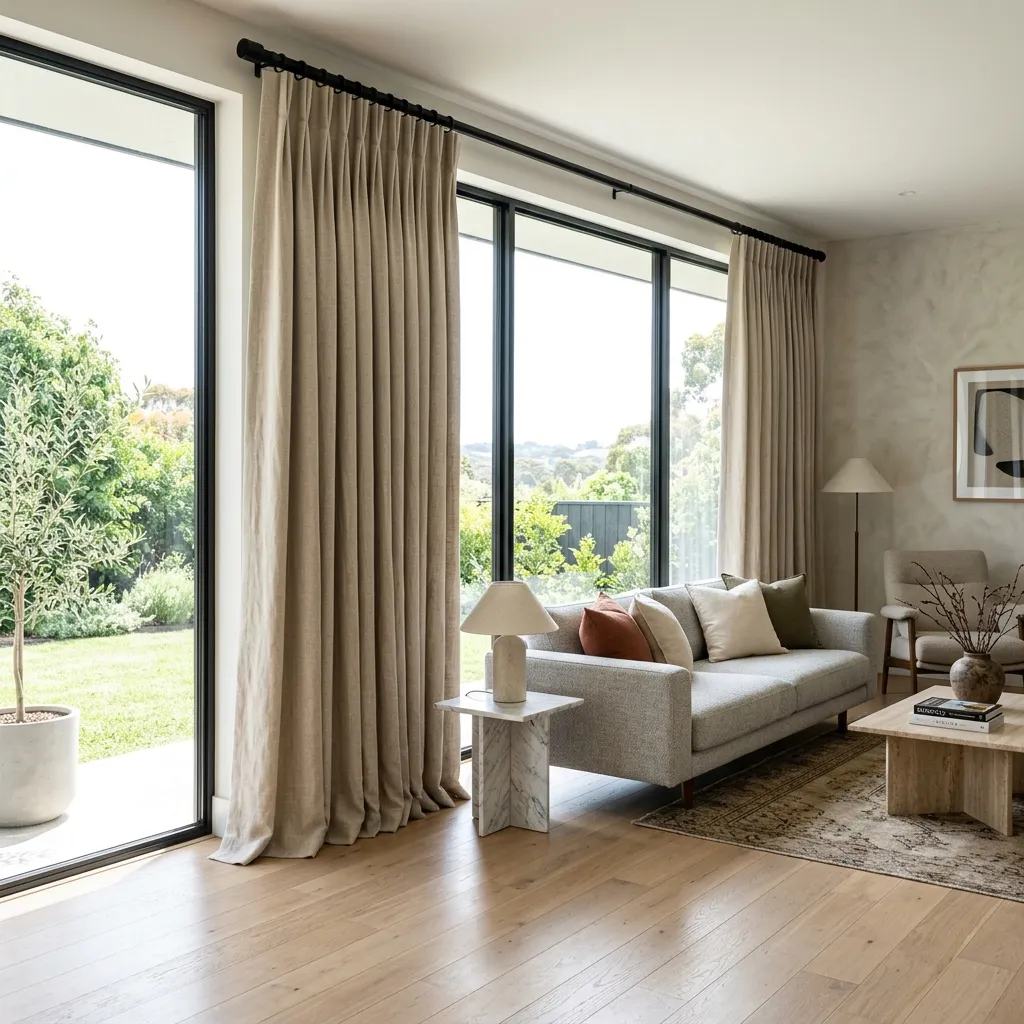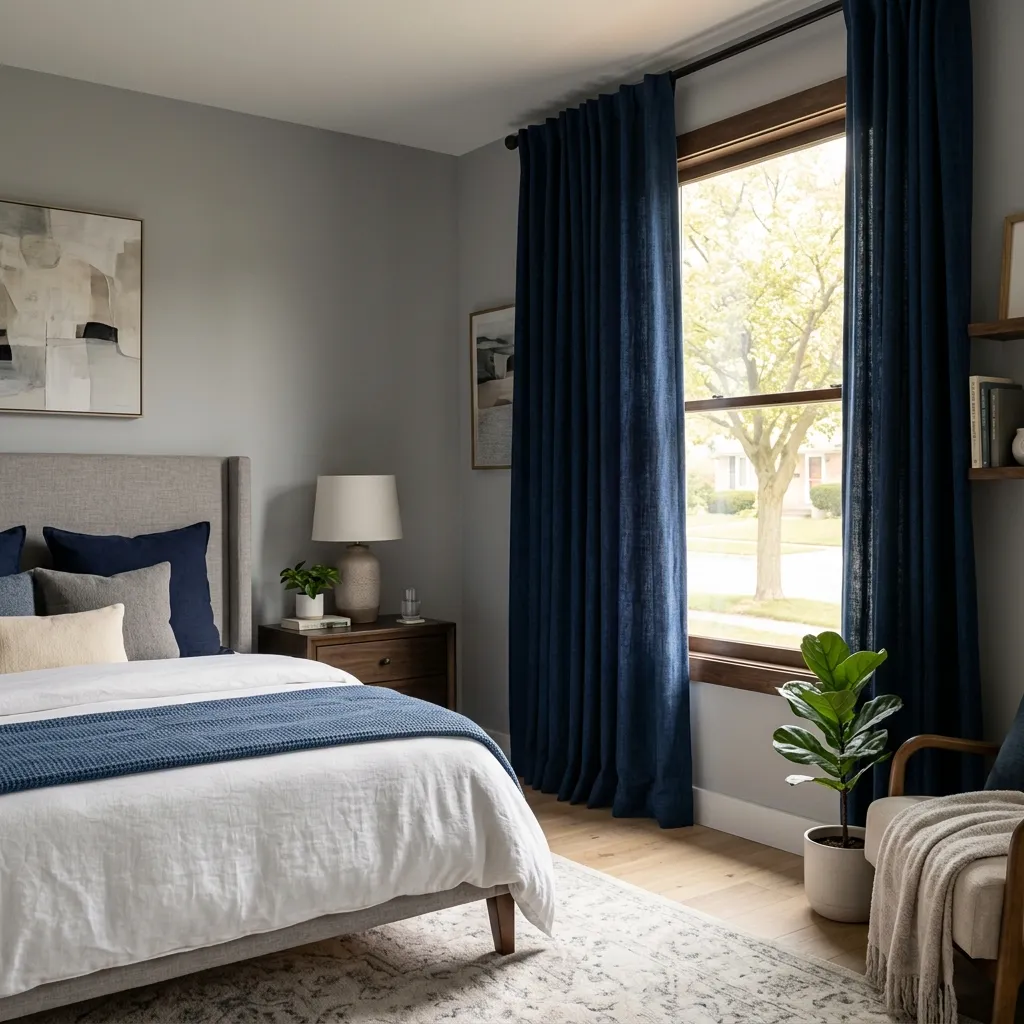
⏱️ Blackout Fabrics: Core Specifications
- Light Blockage: 85% to 100% depending on type
- Best Use: Bedrooms, nurseries, home theaters
- Key Advantage: Provides thermal insulation, reducing cooling and heating costs.
- Stitching Needs: Heavy needles (90/14 or 100/16) and low-heat pressing.
A good night's sleep is essential, and light control is one of the most important aspects of creating a restful bedroom. While pre-made blackout curtains are widely available, they often come in limited sizes, cheap materials, or boring patterns. Sewing your own blackout curtains allows you to match your room's exact palette while ensuring maximum light block. In this article, we explore the best fabrics for making blackout curtains that are both functional and elegant, and discuss the tips for working with these specialized materials.
Why Blackout Fabric Options Matter
Not all blackout fabrics are created equal. True blackout means 99% to 100% of light is filtered out. This is achieved either through the density of the fabric weave or by applying a special foam backing to the fabric. Additionally, blackout curtains act as excellent thermal insulators, keeping your rooms cooler in the hot US summer months and warmer during cold winter drafts, reducing your home utility bills by limiting heat transfer through the window glass.
Top Fabric Types for Blackout DIYs
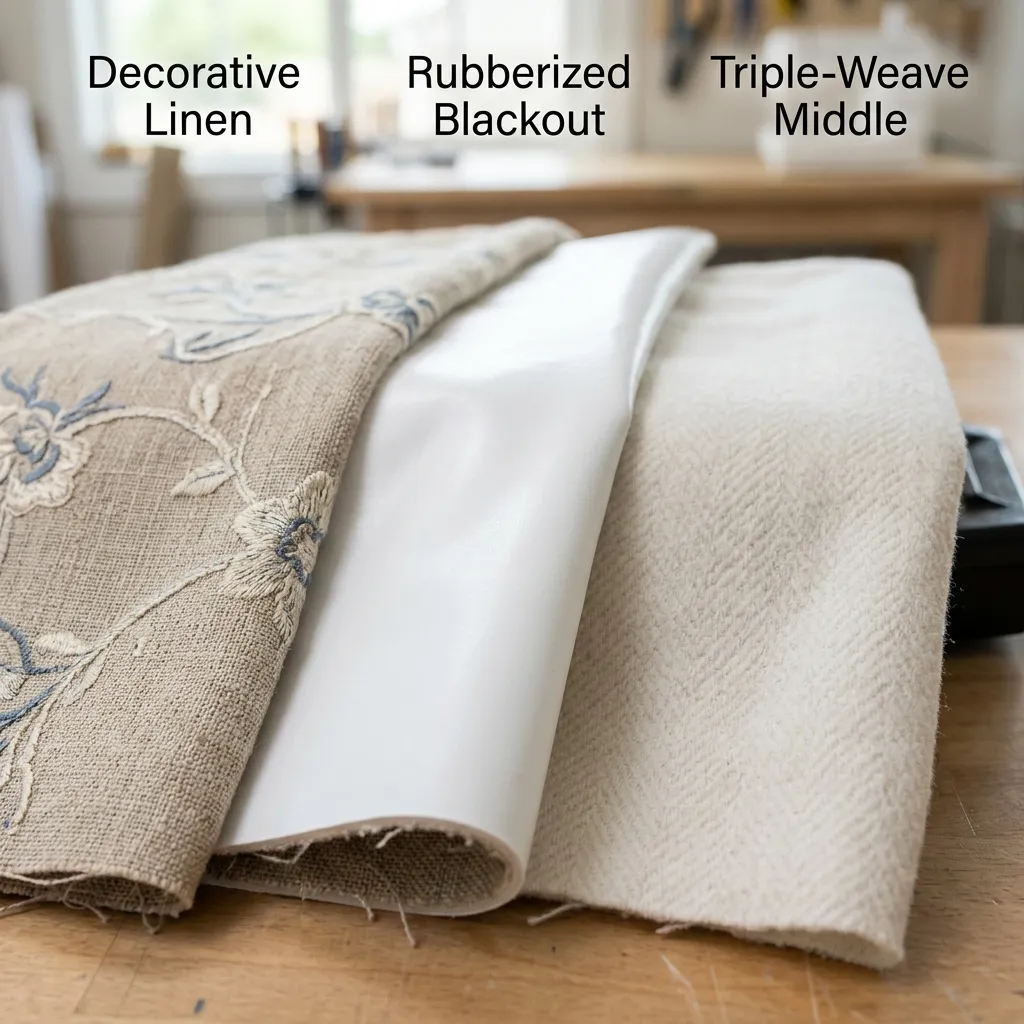
- Blackout Lining (Drapery Lining): This is a utility fabric specifically made to block light. It features a rubberized or acrylic coating on one side. You sew this to the back of your decorative face fabric. It is the gold standard for custom DIY curtains because it allows you to use any beautiful face fabric (like linen or floral cotton) while still getting complete darkness. It is typically available in white or ivory so the exterior of your house maintains a uniform look.
- Triple-Weave Blackout Fabric: A single-layer fabric woven with a middle layer of black yarn. While it doesn't block 100% of light (usually around 85-95% depending on the color), it is extremely soft, drapes beautifully, and is much easier to wash and sew than coated linings. It is available in many colors and patterns, meaning you can use it without a separate lining.
- Heavy Velvet and Velour: Heavyweight velvet has natural light-blocking properties due to its thick pile and dense weave. When paired with a standard cotton lining, velvet curtains block a significant amount of light and add instant old-world luxury.
Comparing Lining Methods
When sewing blackout curtains, you have a few construction options:
- Independent Lining: You sew the lining and face fabric as two separate panels hanging from the same rod. This is great for washing, as you can launder them separately.
- Attached Lining: The lining is sewn directly onto the back of the face fabric panel along the sides and top. This is the most common custom drapery method.
- Interlining: A third layer of flannel is sandwiched between the face fabric and the lining. This provides maximum thermal protection and creates a heavy, luxurious weight.
Tips for Sewing Coated Linings
Coated lining fabrics can be slightly sticky or stiff to sew on a standard home sewing machine. To prevent issues, follow these guidelines:
- Use a size 90/14 sharp or universal needle to pierce the coated fabric cleanly without tearing the rubberized layer.
- Avoid using pins if possible, as they will leave permanent holes in the coating; instead, use sewing clips (wonder clips) to hold the panels together.
- Keep your iron temperature on a medium-low synthetic setting to avoid melting the backing. Always use a press cloth.
- Use a walking foot or a Teflon foot to help the coated layer slide smoothly under the presser foot without sticking.
"When designing blackout curtains, make sure the curtain panels extend at least 3 inches past each side of the window frame to prevent light leaks around the edges."
Conclusion
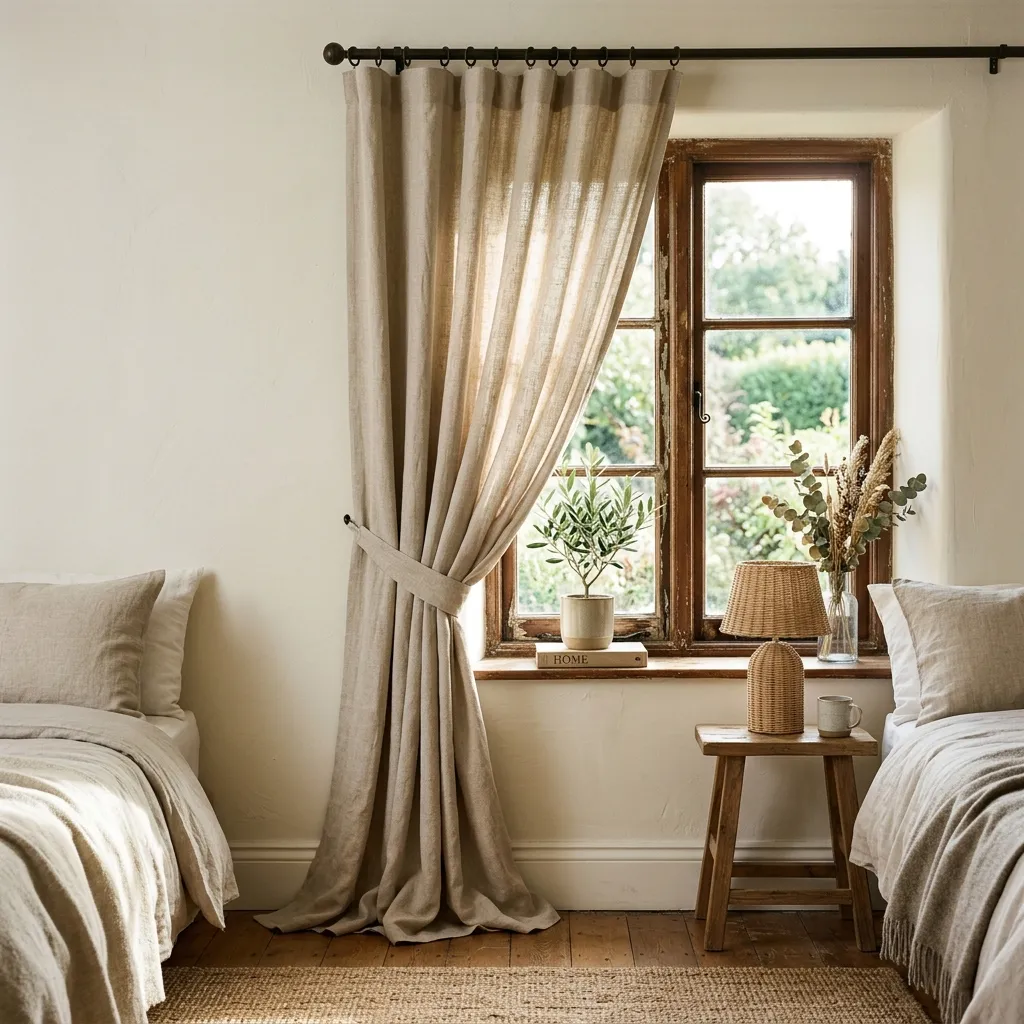
Investing the time to sew custom blackout curtains with high-quality lining will make your bedroom feel like a luxury hotel. Choose drapery lining for complete light blockage, or triple-weave fabrics if you prioritize a soft, machine-washable drapery fold. Combined with proper rod placement, these fabrics will guarantee comfort and energy savings.
Frequently Asked Questions
Can I machine wash blackout curtains?
Coated blackout linings should be washed sparingly. Machine wash in cold water on a gentle cycle, and hang to dry. Never put coated fabrics in the dryer, as the heat can melt or crack the acrylic lining. Triple-weave blackout fabrics are fully machine washable and dryable.
What color blackout curtains block the most light?
For triple-weave fabrics, darker colors (like black, navy, or charcoal) block significantly more light than lighter colors (like cream or white). However, for coated linings, the color of the face fabric does not matter because the coating itself blocks all light.